Before You Buy
The house looks beautiful, but what lies beneath the surface? Arm yourself with the right knowledge before you sign the final papers.
Put It In Writing
A common mistake first-time buyers make is assuming that what they see is what they get. If you want the refrigerator, the custom window treatments, the chandelier in the dining room, or the hot tub in the backyard, it must be explicitly written into the contract.
Don't rely on a verbal agreement with the seller. If it's not bolted to the house, the seller has the legal right to take it unless your contract states otherwise. Work with your real estate agent to ensure every specific fixture or appliance you expect to stay is itemized before you sign.
Hidden Systems: Well, Septic & Pest
A standard home inspection doesn't cover everything. If the property is rural or older, you need specialized inspections.
- Well Water: Test for flow rate (gallons per minute) and water quality (bacteria, nitrates, lead). A failing well can cost thousands to replace.
- Septic Systems: Hire a dedicated septic inspector. They will pump the tank and inspect the baffles and drain field. A standard inspector just flushes the toilets.
- Termite & Pest: A Wood Destroying Insect (WDI) report is critical, and often required by lenders. Look for signs of active infestation and previous damage.
Check the Appliance Age
Take photos of the serial number stickers on the HVAC, water heater, refrigerator, and dishwasher during your inspection. You can look up these serial numbers online to determine the exact manufacture date.
Why this matters: If the water heater is 12 years old (typical lifespan is 8-12 years), you need to budget for its immediate replacement. This knowledge gives you negotiating power or allows you to request a home warranty from the seller.
The Final Walkthrough
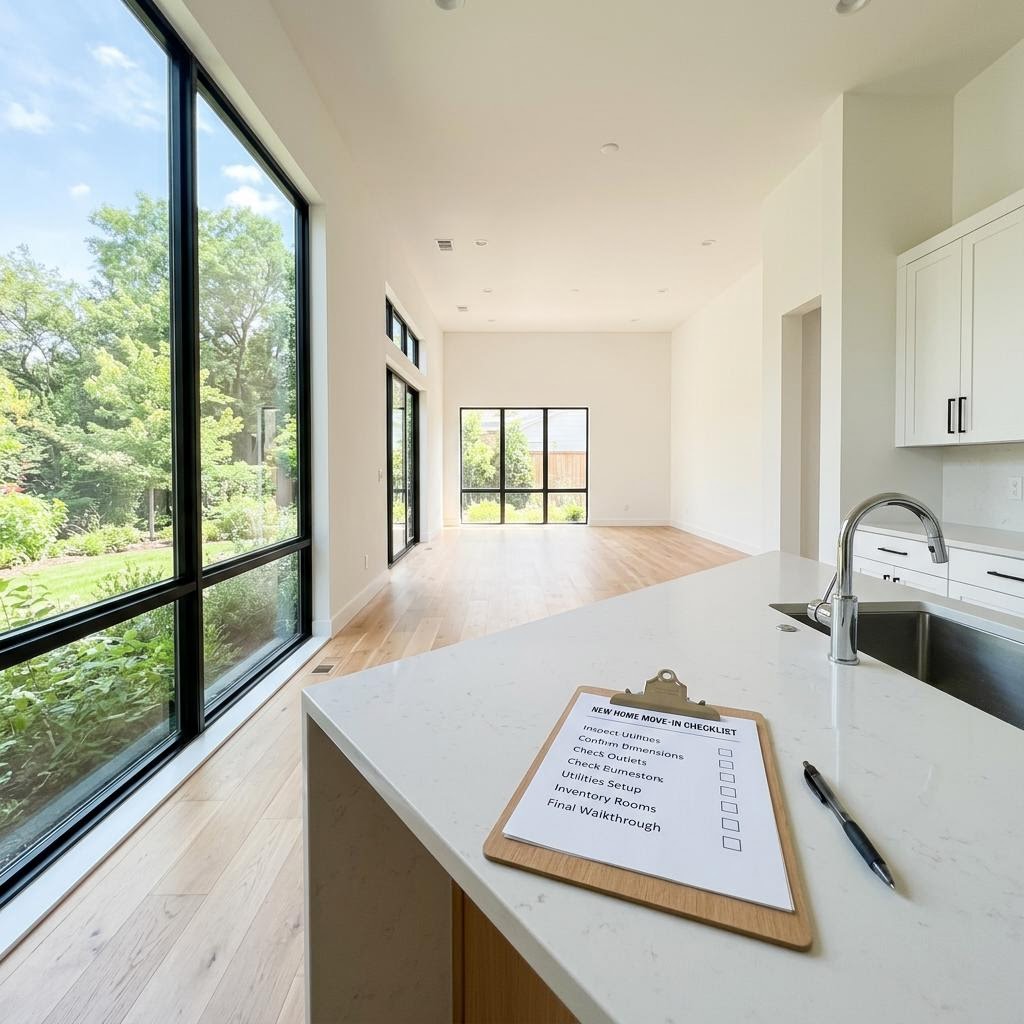
The final walkthrough usually happens 24-48 hours before closing. This is not another inspection—it is a verification that the home is in the agreed-upon condition.
- Test every outlet (bring a phone charger).
- Run all faucets and check under sinks for fresh leaks.
- Verify repairs: If the seller agreed to fix something, demand the receipts and check the work.
- Check for damage: Did the movers gouge the walls or ruin the floors while moving the seller's furniture out?
- Check inclusions: Are the window treatments and appliances you wrote into the contract actually there?
If something is wrong, do not close until it is resolved. Your leverage drops to zero the minute you sign the papers.